Press Release: Springfield City Council Unanimously Passes Resolution Supporting Clean Slate Legislation

May 13, 2025

Springfield, MA - May 13 - In a major step toward advancing criminal legal reform in Massachusetts, the Springfield City Council last night unanimously passed a resolution in support of the Clean Slate legislation which is currently before the Massachusetts legislature. Clean Slate laws would remove unnecessary barriers to opportunity for hundreds of thousands of people currently eligible to have their Criminal Offender Record Information (CORI) sealed. 

View the resolution HERE.


The Clean Slate legislative package includes:

  • H.1811 / S.1114: An Act requiring clean slate automated sealing, filed by Senator Cindy Friedman and Representatives Mary Keefe and Andres Vargas
  • H.1693 / S.1124: An Act to remove collateral consequences and protect the presumption of innocence, filed by Senator Adam Gomez and Representative Fluker-Reid

About one in five adults in Massachusetts have criminal court records, many for offenses that are decades old or never resulted in a conviction. Yet these records continue to block access to jobs, housing, education, and stability - undermining families and entire communities.


Springfield City Council Vice President Tracye Whitfield, a long-time advocate for equity and economic opportunity, praised the resolution and the broader movement behind it.


 “Clean Slate is a game-changer for Springfield and Massachusetts,” said Councilor Whitfield. “For too long, systemic barriers have limited opportunities for communities of color - but this initiative opens new doors. It’s a powerful step toward racial equity and economic justice, giving our residents the chance to build brighter futures with fair access to jobs, housing, and stability.”


“Everyone deserves the chance to move forward without being held back by a past mistake,” said Brother Al Hubert, long-time Springfield community advocate, a facilitator with the Men of Color Health Awareness (MOCHA), and member of Clean Slate Massachusetts. “Clean Slate is about restoring dignity, unlocking potential, and creating real pathways to justice, equity, and economic opportunity for all.”


“We’re thrilled that the City Council in Springfield—the third largest city in Massachusetts—is the first in the Commonwealth to spotlight the fact that individuals, employers, and even the court system can hugely benefit from an administrative fix to seal eligible CORIs", said Andrea Freeman, Policy Director for the Public Health Institute of Western MA and member of Clean Slate MA.


Pauline Quirion, Director of the CORI & Re-entry Project at Greater Boston Legal Services, testified that Clean Slate promotes access to justice and is the only way to address racial disparities in the criminal legal system and the harm caused by CORI in a large-scale way. "Everyone deserves a chance to work, support their families, and participate in their communities,” she said.


Nationally, 1 in 3 adults has a criminal record. In Massachusetts, 9 in 10 employers, 4 in 5 landlords, and 3 in 5 colleges and universities use background checks, often disqualifying individuals regardless of the age or outcome of their case. Legal aid organizations report that many people never learn they are eligible to seal their records, or face months-long backlogs when they try.


The proposed Clean Slate legislation would:

  • Replace the current paper-based sealing process with an automated CORI sealing system;
  • Provide for immediate sealing of cases that end in dismissal, a not guilty finding, or other outcome that is not a conviction;
  • Ensure that CORI sealing happens promptly, eliminating unnecessary delays and backlogs.

The Springfield City Council’s resolution emphasizes that Black and Brown residents are disproportionately impacted by the criminal legal system and that Clean Slate is a strong and scalable way to reduce those racial disparities in access to opportunity.


Clean Slate Massachusetts is a statewide coalition with support from the Clean Slate Initiative. Some of the coalition members include the Public Health Institute of Western Massachusetts, Neighbor to Neighbor, Greater Boston Legal Services, MOCHA, New North Citizens’ Council, Live Well Springfield, Responsible Business Initiative for Justice, Fountain Fund, Massachusetts Competitive Partnership, the Urban League, Progressive MA, Justice 4 Housing, New England Community Project, and many more. See current list of supporters and legislative co-sponsors.


For more information about Clean Slate legislation or to join the campaign, visit www.cleanslatema.org.


ABOUT CLEAN SLATE MASSACHUSETTS

Clean Slate Massachusetts is a coalition of community and statewide organizations, business leaders, impacted individuals and families, faith-based groups, and other advocates and allies. Our goal is to make record sealing happen as soon as individuals become eligible without any backlogs or delays, and without the need to file any paperwork or understand the complicated rules that apply to sealing of records. We believe that everyone in Massachusetts should be able to work, have a safe home, take care of their families, and contribute to their community.


###


share this

Related Articles
October 28, 2026
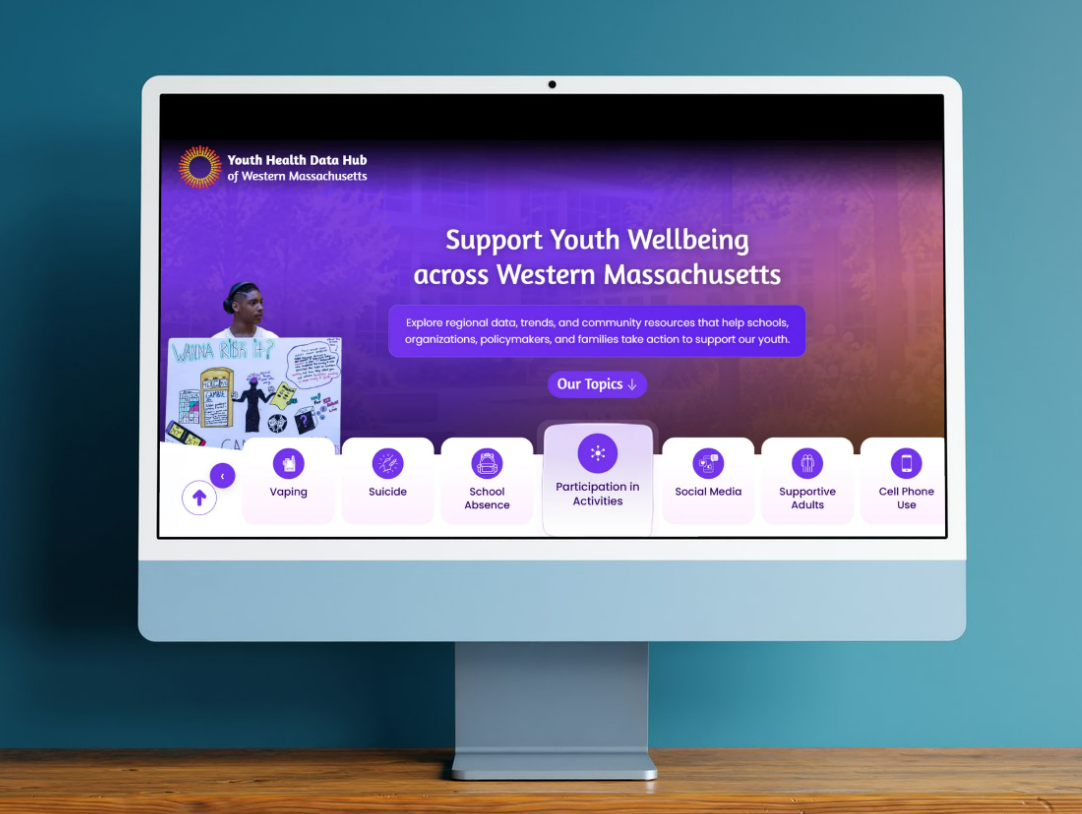
We are pleased to announce that the Youth Health Data Hub of Western Massachusetts is now live! The Hub is designed to help communities better understand youth experiences, learn from one another, and turn information into action. The Hub was shaped by prevention coalitions, schools, community organizations, public health professionals, legislators, young people, and many other partners across Western Massachusetts. We are deeply grateful to the countless individuals who shared their time, expertise, and perspectives throughout its development. The idea for the Hub emerged several years ago through our work on the Western MA Youth Mental Health Roadmap , when young people and community partners identified a need for better access to data, evidence-based strategies, and examples of work happening across the region. In response, the Public Health Institute of Western Massachusetts, with support from The Irene E. & George A. Davis Foundation, convened a regional advisory group and worked collaboratively to bring this vision to life. The Hub brings together interactive data, research, prevention and promotion strategies, and examples from across the region. We view it as a living resource and will continue to expand it over time. We hope it becomes a shared space for learning, collaboration, and collective action that helps all young people in Western Massachusetts thrive. Learn the many ways you can get involved. Explore the Hub: YouthHealthDataHub.org
October 28, 2026
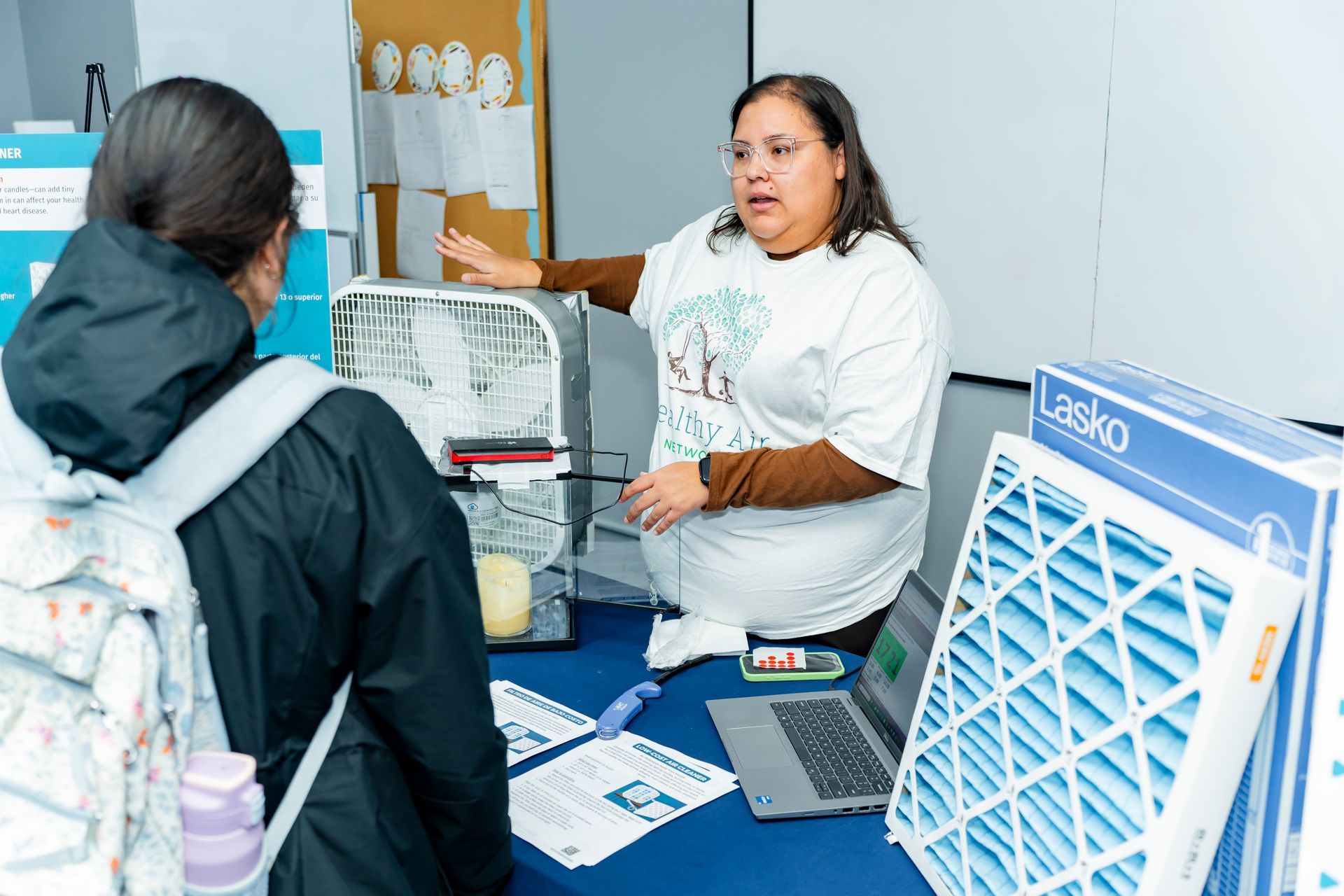
SPRINGFIELD, MA — The Public Health Institute of Western Massachusetts (PHIWM) is pleased to announce a new $300,000 investment from Sanofi to expand its work improving respiratory health across Western Massachusetts. Building on years of work through the Healthy Air Network and Pioneer Valley Asthma Coalition , PHIWM has launched a new Respiratory Health Advisory Board , bringing together resident leaders, community organizations, healthcare providers, community health workers, and other stakeholders to advance solutions that promote healthier lungs and healthier communities. The Advisory Board includes Resident Advisors from communities most impacted by respiratory health inequities, ensuring that residents help shape priorities, strategies, and solutions. Respiratory health inequities are driven by a range of factors, including environmental exposures, substandard housing conditions, barriers to healthcare access, and limited awareness of strategies that can prevent emergencies and hospitalizations that increase healthcare costs and economic burdens on families and communities. “We are grateful for Sanofi’s partnership as we deepen our coalition’s work to implement successful strategies and build more linkages to healthcare providers in Springfield, Chicopee and Holyoke,” said Jessica Collins, Executive Director of PHIWM . “With the involvement of people who experience respiratory health issues and key partners, we can reduce inequities and help more people live healthier lives.” The funding will support existing and new approaches to respiratory health that combine community engagement, healthy homes interventions, education, policy advocacy, and healthcare partnerships. Over the next three years, Sanofi's investment will support efforts to: Convene and expand a regional respiratory health coalition and advisory board to guide the work. Expand and strengthen the Healthy Homes initiative by working with healthcare and Revitalize CDC to provide education and home-based interventions to improve indoor air quality, connect residents with healthcare and community resources, and strengthen referral pathways supported by Community Health Workers. Partner with statewide coalitions to advance respiratory health policies and systems changes which include : Securing potential new bond funding for the Massachusetts Healthy Homes Program --currently being considered by the MA Legislature’s conference committee for the environmental bond bill; Implementing hopeful new policies (also in that conference committee) to better track and mitigate both indoor and outdoor air quality; and Identifying sustainable financing approaches to support the work of Community Navigators and Community Health Workers.  Expand respiratory health communications and education to help residents recognize symptoms earlier, better manage respiratory conditions, and access available resources. Information will be shared through community workshops, partner networks, Resident Advisors, PHIWM’s website, and the AirWatch app, covering topics such as asthma and COPD management, indoor and outdoor air quality, tobacco and vaping cessation, lung cancer screening, and other respiratory health resources. "At Sanofi, we believe some of the most promising solutions to local health challenges come from the communities closest to them. By working with community-based stakeholders, like PHIWM and including organizations, patients, providers, and legislative leaders, we aim to support those solutions," said Tanisha M. Sullivan, Head of External Engagement and U.S. Health Equity Strategy at Sanofi . “As a company with deep Massachusetts roots, our commitment to this work goes beyond a single program to lasting relationships and sustainable policy solutions designed to help improve respiratory health in Springfield, Holyoke, Chicopee, and across the state." This funding from Sanofi comes at a critical time as communities across Western Massachusetts face growing respiratory health challenges driven by climate-related impacts and changes in healthcare access and insurance coverage that make it more difficult for some residents to access preventive care and treatment. Statements of Support “Western Massachusetts communities suffer from some of the highest rates of asthma in the nation. My office has long supported efforts to address the environmental, housing, and healthcare factors that contribute to this inequity,” said Attorney General Andrea Joy Campbell . “I’m grateful to Sanofi for their contributions to improve respiratory health in the area, including supporting increased access to medical care and education.” “Springfield’s history as an environmentally overburdened community has contributed to respiratory disease rates among the highest in the nation. Sanofi’s investment is both timely and greatly appreciated, as it strengthens our collective efforts to confront these inequities and advance meaningful health improvements across the Hampden District,” said State Senator Adam Gómez. “Their partnership demonstrates what is possible when we work together to support healthier homes, healthier air, and healthier lives.” “Massachusetts has some of the highest rates of adult and childhood asthma in the country, with Springfield, Holyoke, and Chicopee ranking near the top for the state,” said Robbie Goldstein, MD, PhD, Commissioner of the Massachusetts Department of Public Health . “This new funding will help to urgently address respiratory health in the region, and will support work the Department does in schools and communities to reduce asthma triggers. These types of partnerships – bringing communities and health care together – are exactly what we need to make our homes and schools healthier.” ABOUT THE PUBLIC HEALTH INSTITUTE OF WESTERN MASSACHUSETTS The Public Health Institute of Western Massachusetts supports communities in their efforts to become measurably healthier and more equitable through community engagement, collaborative partnerships, communications, data analysis, research and evaluation, and policy advocacy. PHIWM is committed to continuous learning, fostering collaboration, and amplifying the voices of those we serve. For more information, visit PublicHealthWM.org.