
Our vision is for all people within our region to have access to what they need to lead healthy lives.
What We Do
Spotlight on Coalition Building Initiatives.

413Cares.org is an online community resource database for western Massachusetts. It's empowering people to find and connect to local services to get the help they need. It's free and easy to use.
News
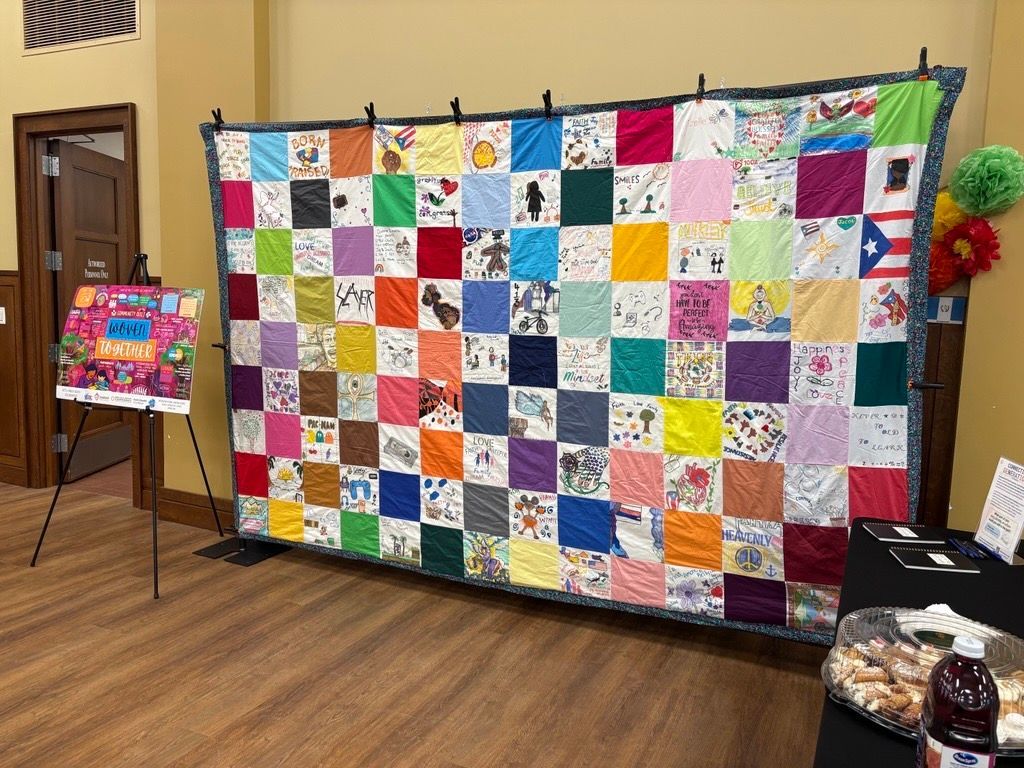
The Woven Together Community Quilt Roadshow celebrates the stories, cultures, identities, and experiences that connect generations across Springfield. Created through the Public Health Institute of Western Massachusetts' Intergenerational Social Connections Initiative, in partnership with the Springfield Cultural Partnership, the quilt brings together the creativity and perspectives of youth and older adults to highlight the importance of community, belonging, and connection. Each quilt square tells a unique story, reflecting the diverse backgrounds, traditions, and experiences of Springfield residents. Together, these individual pieces form a collective representation of the community, demonstrating how different generations and perspectives can come together to create something meaningful. The Community Quilt Roadshow officially began at the Raymond Jordan Senior Center during Good Neighbor Week, marking the first stop on its journey throughout the city. The quilt will continue traveling to community spaces and public locations across Springfield, creating opportunities for more residents to experience the artwork, reflect on the stories it represents, and celebrate the connections that bring the community together. Through this traveling display, the Woven Together Community Quilt serves as a reminder that every story matters and that our community grows stronger when generations come together. Want to know where the quilt is headed next? Sign up for the Live Well Springfield newsletter or follow them on Facebook for updates on upcoming locations and opportunities to see the quilt in person.
Putting Resources into Practice
Putting Resources into Practice: A Race & Health Equity Blog
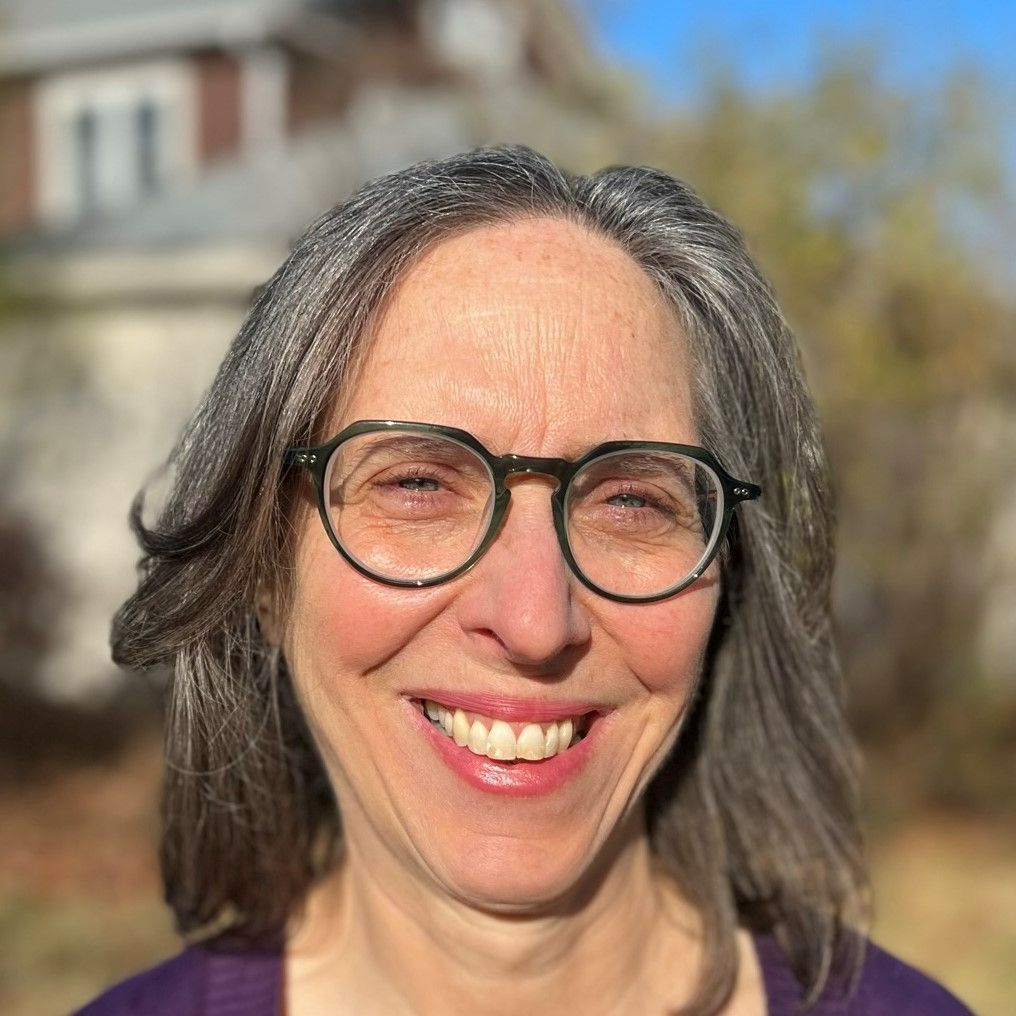
Putting Resources Into Practice
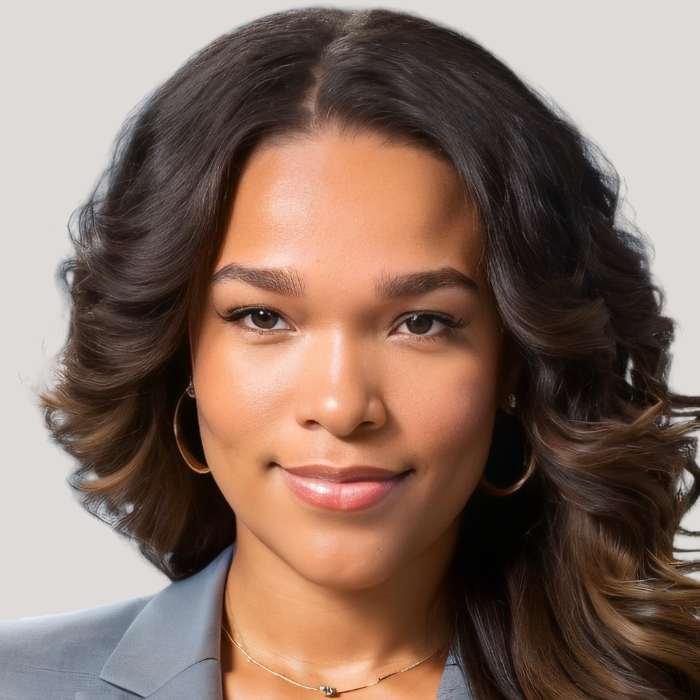
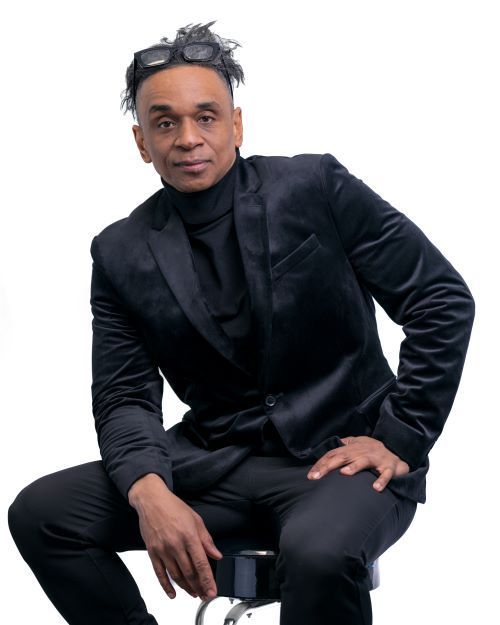
Beyonca Twiggs is a Project Coordinator at the Public Health Institute of Western Massachusetts. Read her reflection below about engaging in equity work and showing up even when it is hard. Showing Up When It's Hard There are days when the work feels heavy. Not just the tasks or the meetings, but the weight of what we’re trying to change. Systems that were never built for everyone. Patterns that repeat across generations. Stories that aren’t told, because they’ve been ignored for so long. On those days, I remind myself why I’m here. I didn’t get into this work because I had all the answers. I got into it because I kept seeing the same harm, the same gaps, the same silence, especially around race and health. And I wanted to be part of interrupting that silence. I’ve learned that equity work isn’t about checking boxes or writing the right statement. It’s about being willing to stay in the room when things are uncomfortable. It’s about asking, “Who’s not here?” and meaning it. It’s about choosing to be accountable, not just when someone is watching, but especially when no one is. It means listening even when the truth stings. It means making space for stories that challenge how we see the world and how we see ourselves. Sometimes, it’s slow. Sometimes, it’s painful. But every time we choose to show up differently— more aware, more honest, more intentional—something shifts. And over time, those shifts start to matter. I’ve also learned that change doesn’t always look like a policy passed or a report released. Sometimes, it looks like someone feeling seen for the first time. Sometimes, it’s a door that wasn’t open before. Sometimes, it’s just staying committed when it would be easier to walk away. I am doing this work because I believe in the possibility of something better, and not just in theory, but in practice. In neighborhoods. In classrooms. In clinics. In the everyday places where people deserve to be safe, to be well, and to be valued. This isn’t just professional for me. It’s personal. Because the stakes are real. Because our communities deserve more than survival. They deserve care. They deserve joy. They deserve justice. So no, I don’t have all the answers. But I’m here. I’m learning. I’m listening. And I’m staying. Because the work is worth it. And so are the people we do it for. If you’re looking for ways to deepen your understanding, continue learning, or spend more time with the stories and voices that shape this work, I encourage you to explore the Race and Health Equity Resource Guide . It offers tools, reflections, and local resources to support ongoing growth.
