Press Release: Public Health Institute of Western Massachusetts Expands Respiratory Health Efforts with Support from Sanofi
SPRINGFIELD, MA — The Public Health Institute of Western Massachusetts (PHIWM) is pleased to announce a new $300,000 investment from Sanofi to expand its work improving respiratory health across Western Massachusetts.
Building on years of work through the Healthy Air Network and Pioneer Valley Asthma Coalition, PHIWM has launched a new Respiratory Health Advisory Board, bringing together resident leaders, community organizations, healthcare providers, community health workers, and other stakeholders to advance solutions that promote healthier lungs and healthier communities. The Advisory Board includes Resident Advisors from communities most impacted by respiratory health inequities, ensuring that residents help shape priorities, strategies, and solutions.
Respiratory health inequities are driven by a range of factors, including environmental exposures, substandard housing conditions, barriers to healthcare access, and limited awareness of strategies that can prevent emergencies and hospitalizations that increase healthcare costs and economic burdens on families and communities.
“We are grateful for Sanofi’s partnership as we deepen our coalition’s work to implement successful strategies and build more linkages to healthcare providers in Springfield, Chicopee and Holyoke,” said Jessica Collins, Executive Director of PHIWM. “With the involvement of people who experience respiratory health issues and key partners, we can reduce inequities and help more people live healthier lives.”
The funding will support existing and new approaches to respiratory health that combine community engagement, healthy homes interventions, education, policy advocacy, and healthcare partnerships. Over the next three years, Sanofi's investment will support efforts to:
- Convene and expand a regional respiratory health coalition and advisory board to guide the work.
- Expand and strengthen the Healthy Homes initiative by working with healthcare and Revitalize CDC to provide education and home-based interventions to improve indoor air quality, connect residents with healthcare and community resources, and strengthen referral pathways supported by Community Health Workers.
- Partner with statewide coalitions to advance respiratory health policies and systems changes which include:
- Securing potential new bond funding for the Massachusetts Healthy Homes Program--currently being considered by the MA Legislature’s conference committee for the environmental bond bill;
- Implementing hopeful new policies (also in that conference committee) to better track and mitigate both indoor and outdoor air quality; and
- Identifying sustainable financing approaches to support the work of Community Navigators and Community Health Workers.
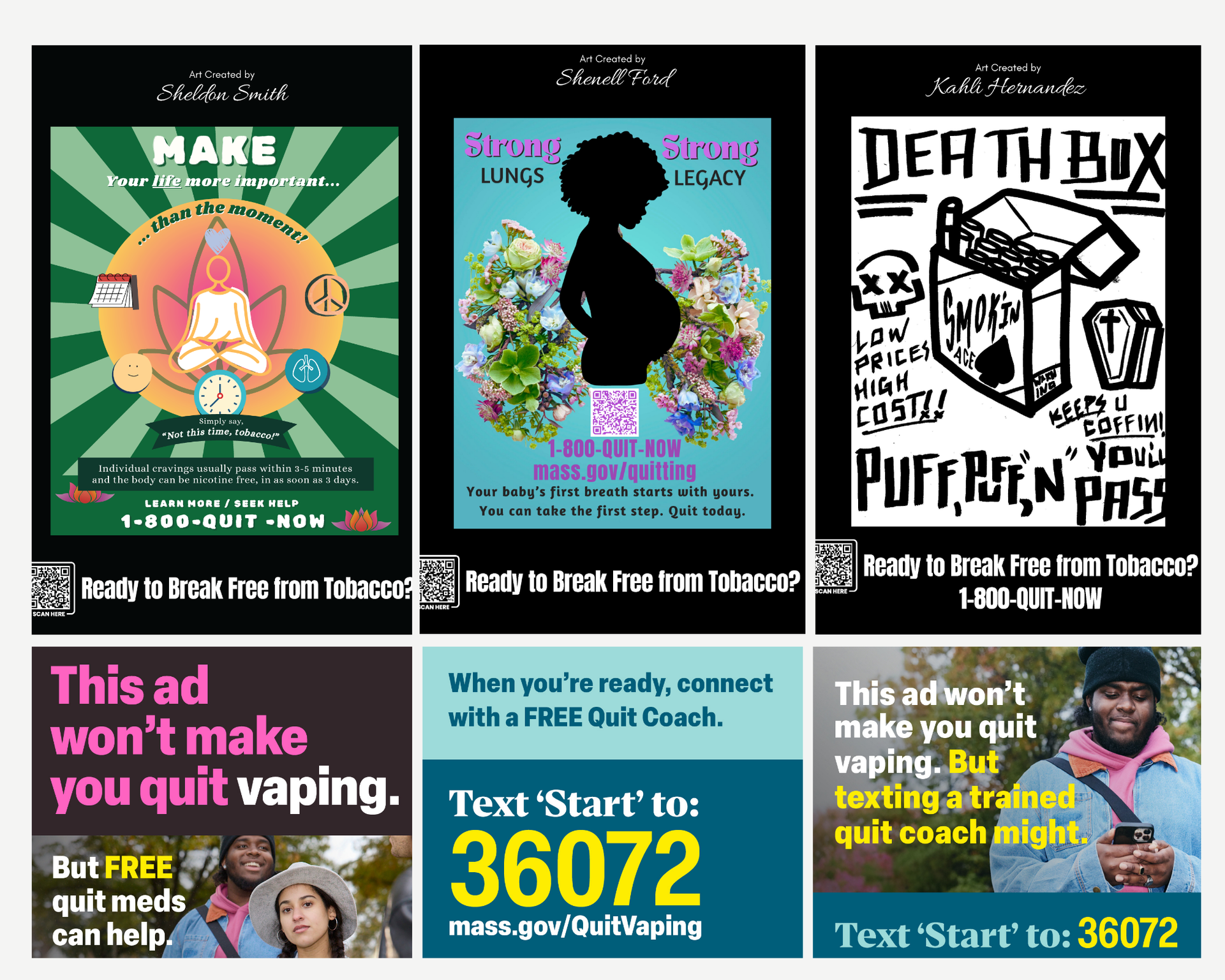
- Expand respiratory health communications and education to help residents recognize symptoms earlier, better manage respiratory conditions, and access available resources. Information will be shared through community workshops, partner networks, Resident Advisors, PHIWM’s website, and the AirWatch app, covering topics such as asthma and COPD management, indoor and outdoor air quality, tobacco and vaping cessation, lung cancer screening, and other respiratory health resources.
"At Sanofi, we believe some of the most promising solutions to local health challenges come from the communities closest to them. By working with community-based stakeholders, like PHIWM and including organizations, patients, providers, and legislative leaders, we aim to support those solutions," said Tanisha M. Sullivan, Head of External Engagement and U.S. Health Equity Strategy at Sanofi. “As a company with deep Massachusetts roots, our commitment to this work goes beyond a single program to lasting relationships and sustainable policy solutions designed to help improve respiratory health in Springfield, Holyoke, Chicopee, and across the state."
This funding from Sanofi comes at a critical time as communities across Western Massachusetts face growing respiratory health challenges driven by climate-related impacts and changes in healthcare access and insurance coverage that make it more difficult for some residents to access preventive care and treatment.
Statements of Support
“Western Massachusetts communities suffer from some of the highest rates of asthma in the nation. My office has long supported efforts to address the environmental, housing, and healthcare factors that contribute to this inequity,” said Attorney General Andrea Joy Campbell. “I’m grateful to Sanofi for their contributions to improve respiratory health in the area, including supporting increased access to medical care and education.”
“Springfield’s history as an environmentally overburdened community has contributed to respiratory disease rates among the highest in the nation. Sanofi’s investment is both timely and greatly appreciated, as it strengthens our collective efforts to confront these inequities and advance meaningful health improvements across the Hampden District,” said State Senator Adam Gómez. “Their partnership demonstrates what is possible when we work together to support healthier homes, healthier air, and healthier lives.”
“Massachusetts has some of the highest rates of adult and childhood asthma in the country, with Springfield, Holyoke, and Chicopee ranking near the top for the state,” said Robbie Goldstein, MD, PhD, Commissioner of the Massachusetts Department of Public Health. “This new funding will help to urgently address respiratory health in the region, and will support work the Department does in schools and communities to reduce asthma triggers. These types of partnerships – bringing communities and health care together – are exactly what we need to make our homes and schools healthier.”
ABOUT THE PUBLIC HEALTH INSTITUTE OF WESTERN MASSACHUSETTS
The Public Health Institute of Western Massachusetts supports communities in their efforts to become measurably healthier and more equitable through community engagement, collaborative partnerships, communications, data analysis, research and evaluation, and policy advocacy. PHIWM is committed to continuous learning, fostering collaboration, and amplifying the voices of those we serve. For more information, visit PublicHealthWM.org.
share this
Related Articles